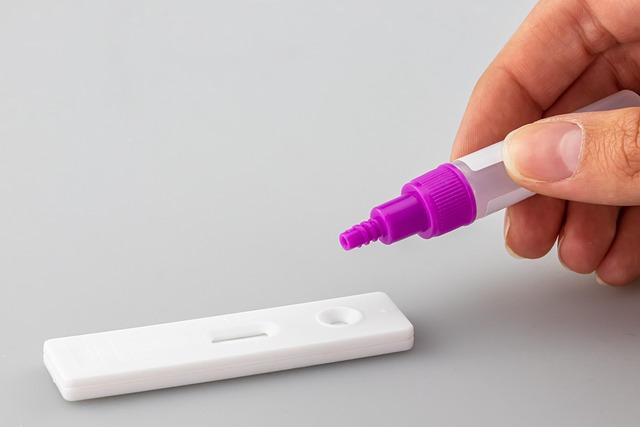
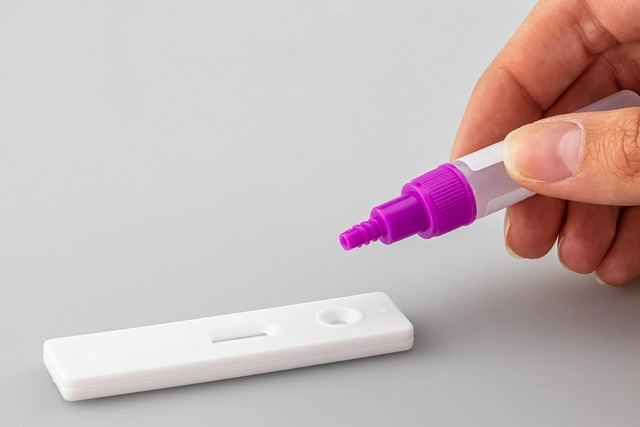

In the realm of healthcare, innovation is a constant driving force, shaping how we diagnose and manage diseases. Among these advancements, serological tests stand at the forefront, revolutionizing our approach to disease detection and management. These tests, which detect antibodies in the blood, offer insight into past infections or immune responses and are essential for diagnosing various conditions.
The rise of technological innovations in diagnostics has significantly enhanced the capabilities of serological tests. Traditional methods often involved time-consuming procedures and complex interpretations. Today, advancements in technology have streamlined these processes, allowing for quicker and more accurate results. With the integration of artificial intelligence and machine learning, diagnostic tools can now analyze vast amounts of data in real-time, identifying patterns that were previously undetectable. Such innovations not only increase the efficiency of serological testing but also enable personalized medicine, where treatments can be tailored based on individual immune responses.
Health innovations further complement the evolution of serological tests. For instance, point-of-care testing devices are becoming increasingly prevalent, allowing tests to be conducted outside of traditional lab settings. This is particularly beneficial in rural or underserved areas where access to healthcare is limited. With these portable devices, patients can receive immediate feedback, reducing the anxiety that often accompanies waiting for test results. Moreover, the recent surge in telemedicine has highlighted the importance of remote diagnostics, pushing for serological tests that can be incorporated into home healthcare settings.
As we look to the future, the potential of serological tests is immense. They can pave the way for comprehensive screening programs that not only focus on infectious diseases but also chronic conditions, thereby enabling earlier interventions. The ability to track and monitor immune responses over time could also provide crucial data in vaccine development and efficacy.
Furthermore, the emphasis on preventive healthcare, fueled by the ongoing global health crises, underscores the necessity of robust diagnostic tools. Serological tests hold the key not just to identifying current health issues but to understanding the broader landscape of population health. By analyzing serological data on a large scale, public health officials can make informed decisions regarding disease outbreaks and health resource allocation.
In summary, the future of diagnostics, particularly through the lens of serological tests, is not just about enhanced accuracy and speed; it’s about transforming patient care. As we embrace these innovations, we stand on the cusp of a new era in healthcare, where diagnostics becomes proactive rather than reactive, empowering individuals to take charge of their health like never before.