
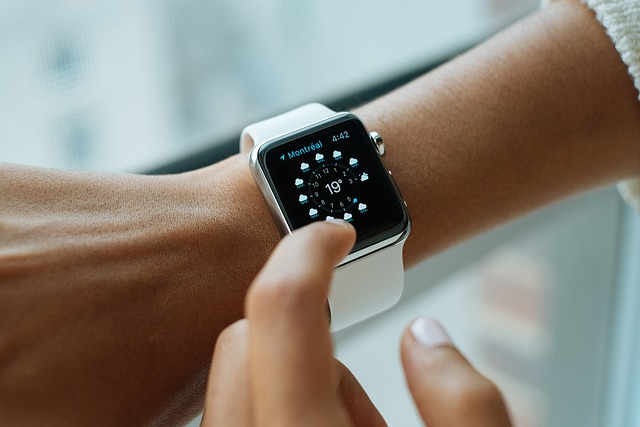

In the past decade, the convergence of data science, sensor engineering, and artificial intelligence has turned a handful of medical devices into an ever‑growing ecosystem of wearable diagnostics. These devices, once confined to research labs, are now embedded in everyday items such as watches, patches, and clothing. Their capacity to monitor physiological signals in real time is reshaping preventive care, early disease detection, and chronic disease management. By continuously collecting high‑resolution data, wearables are providing clinicians with a richer picture of a patient’s health than ever before.
Foundations of Modern Wearable Diagnostics
Wearable diagnostics rely on three core technologies: advanced biosensors, low‑power wireless communication, and cloud‑based analytics. Sensors can capture electrocardiograms, blood oxygen saturation, skin temperature, galvanic skin response, and even blood glucose through non‑invasive methods. These signals are transmitted via Bluetooth Low Energy or Wi‑Fi to smartphones or edge devices, where preliminary filtering and compression occur. The bulk of signal processing, model inference, and longitudinal analysis happen in secure cloud environments, ensuring that patients and providers can access actionable insights from anywhere.
From Pulse Oximetry to Continuous Cardiac Monitoring
One of the earliest successes of wearable diagnostics was continuous pulse oximetry, which allowed patients with chronic obstructive pulmonary disease or heart failure to monitor oxygen saturation outside the clinic. More recently, optical photoplethysmography has been integrated into wristwatches to produce continuous electrocardiograms (ECGs). This advancement not only identifies arrhythmias like atrial fibrillation but also supports the growing field of remote cardiac telemetry.
AI‑Driven Pattern Recognition and Predictive Analytics
Collecting data is only the first step. The real value emerges when machine‑learning models interpret patterns that are invisible to the naked eye. Algorithms trained on millions of cardiac cycles can detect subtle deviations in heart rhythm, flagging potential issues before symptoms appear. In diabetes care, wearables that monitor skin conductivity and sweat composition can predict hyperglycemic events minutes in advance, prompting users to take corrective action. By combining sensor data with patient history and contextual variables, AI enhances diagnostic accuracy while reducing false positives.
Case Study: Remote Monitoring of Post‑Surgical Patients
Hospitals that have adopted wearable diagnostics for post‑surgical care report significant reductions in readmission rates. Sensors embedded in surgical dressings track temperature, swelling, and early signs of infection. Real‑time alerts are sent to nursing staff if thresholds are crossed, allowing for prompt intervention. The result is a smoother recovery trajectory and decreased burden on emergency departments.
“With continuous monitoring, we catch complications before they become emergencies,” notes a senior cardiac surgeon involved in a recent study.
Challenges and Ethical Considerations
While the benefits are clear, wearable diagnostics raise several concerns. Data privacy is paramount; users must trust that their physiological data is encrypted, stored securely, and only shared with authorized medical professionals. There is also the risk of algorithmic bias: models trained on homogeneous datasets may underperform for populations with different baseline physiology. Regulatory bodies are working to create standards that ensure devices meet rigorous safety and efficacy criteria, yet the rapid pace of innovation can outstrip the approval process.
Addressing Digital Health Inequities
Equitable access remains a pressing issue. Low‑cost wearable prototypes are being designed for low‑resource settings, but widespread deployment still depends on reliable internet connectivity and digital literacy. Efforts to include community health workers in the data collection workflow can mitigate these gaps, allowing wearables to serve as a bridge rather than a barrier.
Future Directions: Bio‑Hybrid Sensors and Ingestible Diagnostics
Emerging research is pushing the boundaries of what wearable diagnostics can detect. Bio‑hybrid sensors that combine living cells with synthetic electrodes promise to monitor neurotransmitters and hormonal changes in real time. Ingestible capsules equipped with cameras and chemical sensors are being trialed to image the gastrointestinal tract and quantify biomarkers directly within the digestive system. These innovations could transform the way clinicians diagnose and manage complex conditions such as inflammatory bowel disease or neurodegenerative disorders.
Integrating Wearables into Clinical Workflows
For wearable diagnostics to reach their full potential, they must be seamlessly integrated into existing clinical workflows. Electronic health record (EHR) systems are beginning to incorporate automated alerts triggered by wearable data, reducing the manual effort of clinicians to sift through raw metrics. Training programs are also emerging to equip healthcare teams with the skills needed to interpret continuous data streams, turning wearables from passive tools into active decision aids.
Patient Perspectives and Acceptance
Ultimately, the success of wearable diagnostics hinges on patient adoption. Surveys indicate that most patients are enthusiastic about the ability to monitor their health without visiting a clinic, provided the devices are comfortable and user‑friendly. Wearable designers are incorporating haptic feedback, adaptive band widths, and skin‑friendly materials to improve wearability. Some patients, however, express concerns about the constant monitoring feeling intrusive. Transparent communication about data usage, paired with customizable alert settings, can help alleviate these fears.
Longitudinal Health Insights and Lifestyle Modification
By offering a continuous health narrative, wearables encourage proactive lifestyle changes. A user who notices a steady rise in resting heart rate might adjust exercise routines, diet, or sleep patterns. Over time, these micro‑adjustments accumulate into significant health improvements, as evidenced by population studies linking regular wearable use with lower incidences of cardiovascular events.
Economic Impact and Health System Sustainability
Wearable diagnostics can also influence the economics of healthcare. Early detection of diseases often reduces the need for expensive emergency interventions and hospital stays. Insurance companies are increasingly offering incentives for patients who maintain chronic conditions under control via wearables. In pilot programs, cost‑effectiveness analyses have shown that integrating continuous monitoring into standard care pathways can yield savings exceeding the initial investment in devices and infrastructure.
Public Health Surveillance and Pandemic Response
During public health crises, wearables can provide granular data on symptom onset and spread patterns. Aggregated, anonymized metrics such as temperature trends and respiratory rates can alert authorities to emerging hotspots before clinical cases surge. This real‑time surveillance capability adds a powerful layer to traditional epidemiological tools, allowing for more timely interventions.
Conclusion: A New Paradigm in Patient Care
The rise of wearable diagnostics marks a paradigm shift from episodic, clinic‑centered care to continuous, data‑driven management of health. By marrying high‑precision sensors with sophisticated analytics, these devices empower patients and clinicians alike to act on actionable information in near real time. While challenges around privacy, equity, and integration remain, the trajectory of innovation points toward a future where the boundary between the body and the digital ecosystem becomes increasingly seamless. As we refine algorithms, lower costs, and expand accessibility, wearable diagnostics will likely become an indispensable component of routine healthcare, ushering in an era of anticipatory medicine that is as personalized as it is predictive.