

In the past decade, the convergence of robotics and advanced sensing has given rise to a new paradigm in healthcare delivery. At the core of this evolution lies the concept of artificial perception—a suite of computational techniques that allow machines to interpret sensory data in ways that were once considered uniquely human. When combined with sophisticated robotic platforms, artificial perception is unlocking unprecedented levels of precision, autonomy, and personalization in medical interventions.
What is Artificial Perception?
Artificial perception refers to the ability of machines to process raw data from sensors—such as cameras, lidar, ultrasound, and tactile arrays—and transform that data into meaningful representations. These representations enable a robot to understand its surroundings, detect anomalies, and make context‑aware decisions. Unlike traditional programming, where instructions are explicitly written for each possible scenario, artificial perception relies on machine learning models that generalize from large datasets, allowing robots to adapt to new environments and tasks.
- Visual Perception: Deep convolutional networks trained on millions of images enable robots to recognize anatomical structures, detect tumors, and assess tissue quality.
- Sensory Fusion: Combining data from multiple modalities—visual, auditory, haptic—creates a richer, more reliable perception of complex medical scenes.
- Real‑time Decision Making: Low‑latency processing pipelines translate perception into immediate actions, crucial for surgeries or emergency care.
Robotic Platforms Leveraging Artificial Perception
Several robotic platforms have been developed to harness artificial perception, each tailored to specific clinical needs. Below are three leading examples:
- Robotic Surgical Assistants: These systems, such as the da Vinci Xi, rely on high‑definition cameras and force‑feedback sensors. Artificial perception algorithms help the surgeon maintain a steady hand, avoid critical structures, and adjust instrument trajectories in real time.
- Rehabilitation Exoskeletons: Wearable robots that assist patients in regaining mobility use depth cameras and joint sensors to map motion patterns. Artificial perception guides the exoskeleton to provide graded assistance, ensuring safe and effective therapy.
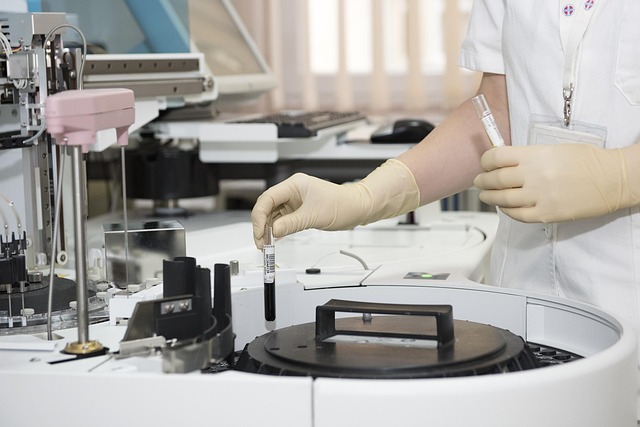
- Autonomous Diagnostic Robots: In pathology labs, robotic arms equipped with microscopes and spectrometers employ computer vision to identify cancerous cells and quantify biomarkers, speeding up diagnostic workflows.
Artificial Perception in Surgical Precision
Minimally invasive surgery (MIS) demands extreme precision. Traditional laparoscopic tools limit a surgeon’s field of view and tactile feedback. Artificial perception addresses these constraints by augmenting the surgeon’s senses.
“Artificial perception turns a blurry, static image into a dynamic, 3‑D map of the operative field,” says Dr. Maya Patel, a leading robotic surgeon. “It’s like giving the surgeon a second set of eyes that can anticipate potential complications.”
The integration of 3‑D reconstruction, depth estimation, and real‑time segmentation allows the system to highlight critical structures such as blood vessels or nerves. This level of detail is invaluable during procedures like tumor resection, where the margin of error is narrow.
Enhancing Diagnostic Accuracy
Artificial perception extends beyond the operating room into diagnostic laboratories. Histopathology, for instance, relies on meticulous examination of stained tissue sections. By training convolutional neural networks on annotated images, robots can detect patterns that may elude even experienced pathologists.
One prominent application is the identification of micro‑calcifications in mammograms. Machine learning models trained on millions of scans can flag suspicious regions with high sensitivity, enabling earlier detection of breast cancer.
Moreover, spectroscopic sensors paired with artificial perception can analyze chemical compositions of biopsies, distinguishing between benign and malignant lesions without the need for additional staining procedures.
Rehabilitation and Assistive Robotics
In physical therapy, consistency and repeatability are key to patient progress. Rehabilitation robots that incorporate artificial perception monitor patient movements in real time, providing feedback and adjusting assistance levels to match the patient’s current capabilities.
For example, an exoskeleton might detect a patient’s attempted gait pattern through force sensors and depth cameras. Artificial perception algorithms then modulate motor outputs to correct posture, preventing compensatory movements that could lead to injury.
Beyond mobility, prosthetic limbs have begun to use artificial perception to interpret neural signals and environmental cues, offering users a more intuitive control experience.
Challenges and Ethical Considerations
While artificial perception promises transformative benefits, several challenges remain:
- Data Quality and Bias: Machine learning models are only as good as the data they train on. Ensuring diverse, high‑quality datasets is essential to avoid biased outcomes.
- Regulatory Hurdles: Medical robotics must satisfy stringent safety standards. Demonstrating reliability of perception algorithms under all possible scenarios is a complex task.
- Explainability: Clinicians need to trust robotic decisions. Developing transparent models that can explain their reasoning is critical for adoption.
- Human‑Robot Interaction: Balancing autonomy with surgeon control requires careful interface design to prevent errors or over‑reliance.
Future Directions: Toward Truly Adaptive Care
Looking ahead, several trends are shaping the next wave of artificial perception in robotics:
- Edge Computing: Deploying perception models directly on robotic hardware reduces latency, enabling split‑second responses in dynamic clinical environments.
- Multimodal Fusion: Combining imaging, genomics, and patient‑reported data will allow robots to tailor interventions to individual biology.
- Learning from Few Examples: Advances in few‑shot learning will enable robots to adapt to rare conditions with minimal data.
- Collaborative Learning: Cloud‑based platforms that share anonymized patient data can accelerate model improvement across institutions.
By addressing current limitations and embracing these innovations, artificial perception will continue to drive health technologies that are safer, more efficient, and ultimately more human‑centric.