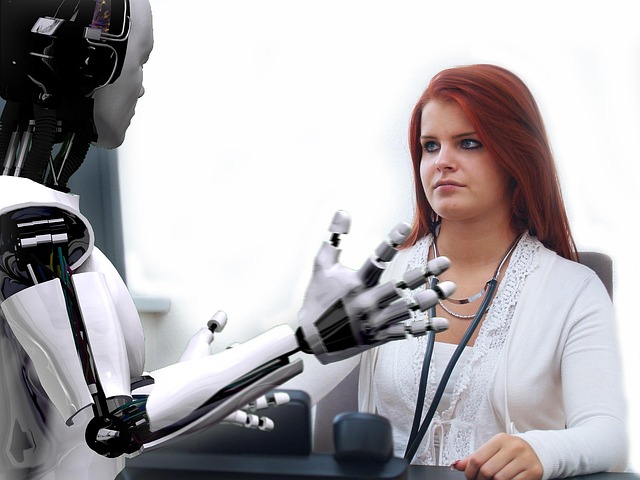


Welcome to the era of digital healthcare where the fusion of technology and robotics is revolutionizing the way we perceive and experience healthcare. The integration of digital robotics in the realm of technological and health innovations is reshaping the landscape of the healthcare industry, paving the way for more efficient and effective solutions to meet the evolving needs of patients and healthcare providers alike.
Technological innovations have always been at the forefront of advancing healthcare practices, from the development of lifesaving medications to the creation of sophisticated medical devices. However, the rise of digital robotics has taken this progress to a whole new level by introducing automation, artificial intelligence, and machine learning into various aspects of healthcare delivery.
Robots are no longer confined to the realm of science fiction; they are now an integral part of modern healthcare systems. From robotic surgeons assisting in delicate surgical procedures to automated medication dispensing systems ensuring accurate dosages, digital robotics have significantly enhanced the precision, safety, and speed of healthcare interventions.
Health innovations powered by digital robotics are not limited to clinical settings alone. Smart wearable devices equipped with AI algorithms can monitor vital signs and alert users to potential health issues, promoting proactive wellness management. Telemedicine platforms supported by robotic interfaces enable remote consultations and diagnostics, expanding access to healthcare services to underserved populations.
The synergy between technology and robotics has also catalyzed breakthroughs in personalized medicine and genomics. Advanced algorithms powered by machine learning can analyze vast amounts of genetic data to provide tailored treatment plans based on an individual’s unique genetic makeup. This level of precision and customization was previously unimaginable but is now achievable through digital healthcare solutions.
As we witness the transformative power of digital robotics in healthcare, it is essential to embrace these innovations with a balance of optimism and caution. While these technologies hold immense potential to improve patient outcomes and streamline healthcare processes, ethical considerations regarding data privacy, liability, and equity must be carefully addressed.
In conclusion, the convergence of digital healthcare, technology, and robotics marks a new chapter in the evolution of healthcare delivery. By leveraging the capabilities of digital robotics in technological and health innovations, we can unlock a future where healthcare is not only more efficient and effective but also more personalized and patient-centered. The possibilities are limitless, and the benefits are profound. It is an exciting time to be part of this digital healthcare revolution!