
The evolution of modern healthcare is deeply intertwined with technological and health innovations, and one of the most transformative changes in recent years has been the shift to the digital laboratory report. In the field of diagnostics, this advancement has brought about improved accuracy, accessibility, and efficiency, revolutionizing how medical tests are interpreted and utilized in patient care.
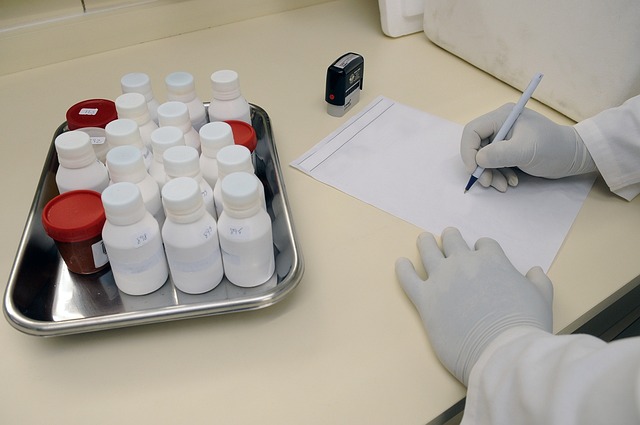
Traditionally, laboratory reports were paper-based, often leading to delays, miscommunication, and the potential for human error. With the introduction of digital formats, these reports are now instantly available to both patients and healthcare professionals, facilitating faster diagnosis and treatment planning. The advantages stretch beyond mere convenience. Digital laboratory reports enable seamless integration with electronic health records (EHRs), allowing for a comprehensive overview of a patient’s medical history at a glance. This integration fosters better collaboration among specialists, resulting in more informed clinical decisions.
Technological innovations have further enhanced the capabilities of digital diagnostics. For example, artificial intelligence and machine learning algorithms can scan digital lab reports for anomalies or trends that might be overlooked by the human eye. This not only supports more precise diagnostics but also aids in early detection of diseases, significantly improving patient prognoses. Moreover, real-time access to laboratory data means quicker adjustments to treatment plans, thereby minimizing trial-and-error approaches and improving patient outcomes.
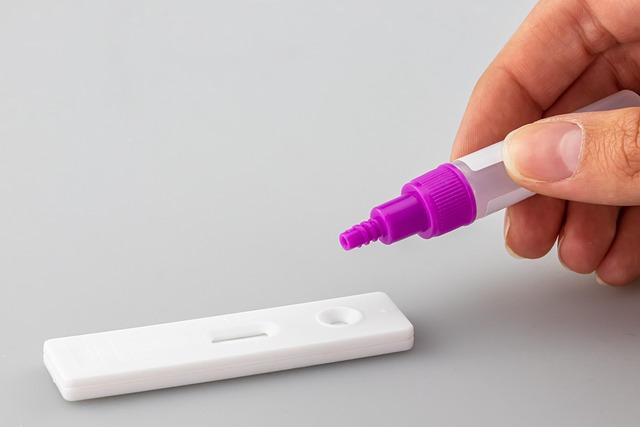
On a broader scale, health innovations spurred by the use of digital laboratory reports are helping build resilient healthcare systems. During public health crises like pandemics, digital data sharing becomes critical. High volumes of testing and rapid report dissemination can be handled efficiently, enabling health authorities to track outbreaks, identify hotspots, and allocate resources where they are most needed. Furthermore, anonymized data from these reports is being used in big data analytics to predict trends, understand disease patterns, and even discover potential cures.
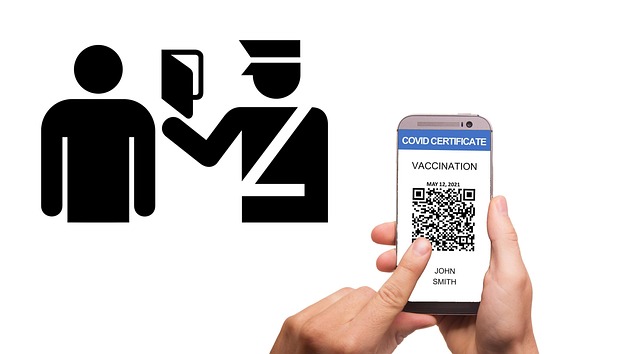
For patients, this innovation represents empowerment. Having access to one’s digital laboratory report on a secure mobile app or patient portal enables an active role in health management. Clarity in presentation—with visual aids such as color-coded results and explanations—makes it easier for patients to understand their health status without having a medical background. This transparency fosters better communication between patients and doctors, promoting trust and ensuring that patients are informed participants in their health journeys.
Ultimately, the convergence of diagnostics and technology through digital laboratory reports marks a pivotal shift in modern medicine. It’s not just a change in format—it represents a new paradigm in how health information is generated, shared, and used to enhance the well-being of individuals and communities alike.