
The Quiet Revolution in Diagnostics
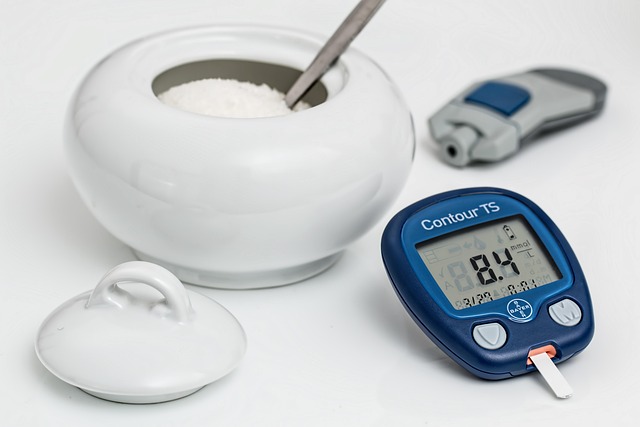
For decades blood sugar measurement meant finger-pricks, test strips, and a fleeting glimpse of your metabolic state. In the category of Diagnostics, that ritual felt strangely manual in a world that can beam high-resolution photos from Mars. But over the last five years a wave of technological and health innovations has quietly rewritten the rulebook, making glucose tracking less painful, more continuous, and deeply personalized.
From Intermittent Checks to Invisible Streams
Continuous Glucose Monitoring (CGM) sensors have moved from novelty to mainstream, anchoring a tiny filament beneath the skin that sends readings every few minutes to a smartphone. What once looked like medical equipment now resembles lifestyle tech—sleek, adhesive patches that disappear under clothing yet broadcast data to bright, intuitive dashboards. The emotional shift is huge: instead of bracing for a prick, users glance at their watch and feel informed, even empowered.
Light, Sweat, and Tears: Non-Invasive Frontiers
Engineers are exploiting the body’s natural signals in ways unheard of a decade ago. Near-infrared spectroscopy illuminates capillaries to estimate glucose without piercing the skin. Flexible electrochemical tattoos sample sweat, turning a morning jog into a diagnostic session. Researchers are even deciphering tears, embedding microscopic sensors inside contact lenses that glow when glucose creeps upward. Each advance chips away at the old binary of “test or guess,” replacing it with subtle, continuous awareness.
Microneedles and the Silk-Thread Future
If puncture-free tech needs time, ultra-thin microneedle arrays offer a graceful compromise. Barely felt, these dissolvable pins sit on the skin’s surface, sip interstitial fluid, then vanish—no sharps container, no anxiety. Start-ups are weaving silk proteins into the arrays, creating biodegradable patches that monitor, treat, and biodegrade in a single cycle. It feels closer to nature than to medicine.
AI as Your Metabolic Co-Pilot
Raw data alone can overwhelm, so artificial intelligence now translates glucose curves into actionable insights: predicting post-meal spikes, nudging you toward a walk, tweaking basal insulin schedules overnight. Diagnostics morph into coaching, and the sterile concept of measurement transforms into an empathetic dialogue with your own physiology.
A Glimpse of What Comes Next
Quantum sensors, graphene transistors, cloud-based twin models—each promises fresher perspectives on the chemistry of life. Yet the heart of these innovations is human: reducing pain, restoring spontaneity, and letting people living with diabetes feel less like patients and more like full participants in their own story.