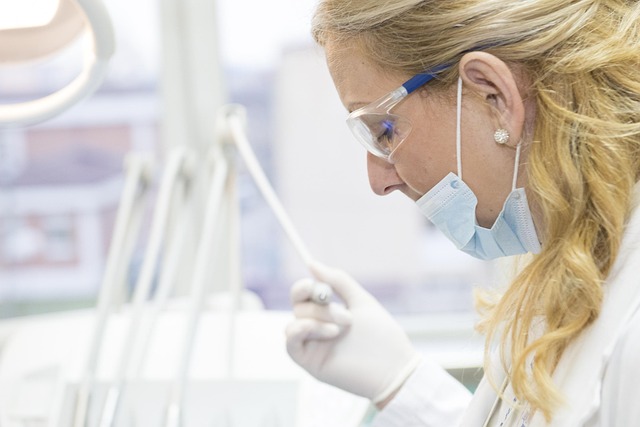

Diagnostics have undergone a remarkable transformation with the advent of remote medicine technologies. Remote medicine diagnostics are revolutionizing healthcare by bridging the gap between patients and healthcare providers, ensuring timely and accurate medical interventions. The fusion of technological and health innovations in this field has paved the way for improved efficiency, accessibility, and patient outcomes.
Technological innovations such as telemedicine platforms and wearable health devices are enabling patients to connect with healthcare professionals from the comfort of their homes. Through video consultations and remote monitoring, healthcare providers can diagnose medical conditions, prescribe treatment plans, and monitor patients’ progress in real-time. This not only saves time and resources for both patients and healthcare providers but also contributes to better health outcomes by ensuring continuous care and support.
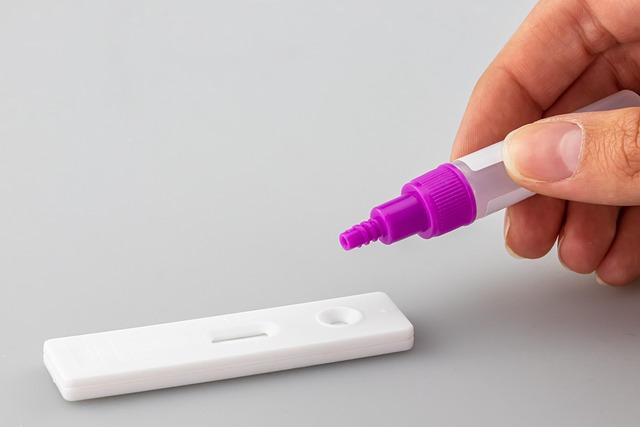
Health innovations in remote medicine diagnostics are transforming traditional healthcare practices by introducing advanced tools for disease detection and management. Portable diagnostic devices, such as smart sensors and mobile apps, allow individuals to perform basic health assessments and share the data with their healthcare providers remotely. These innovations empower patients to take control of their health and make informed decisions about their well-being.
Furthermore, the integration of artificial intelligence (AI) and machine learning algorithms in remote medicine diagnostics has enhanced the accuracy and speed of medical assessments. These technologies analyze vast amounts of patient data to identify patterns, predict health risks, and assist healthcare providers in making evidence-based decisions. By leveraging AI-powered diagnostics, healthcare professionals can offer personalized treatment plans and preventive care strategies tailored to each patient’s unique needs.
The synergy between technological and health innovations in remote medicine diagnostics is revolutionizing the way healthcare is delivered worldwide. Patients no longer have to travel long distances or wait for days to receive medical attention; instead, they can access quality healthcare services at their fingertips. This shift towards remote medicine not only promotes convenience and efficiency but also ensures equitable access to healthcare for individuals in remote or underserved areas.
In conclusion, the future of diagnostics lies in the seamless integration of technological advancements and health innovations. Remote medicine diagnostics are at the forefront of this revolution, driving positive changes in healthcare delivery and patient outcomes. By embracing these transformative tools and practices, we can collectively work towards a healthier and more connected world.