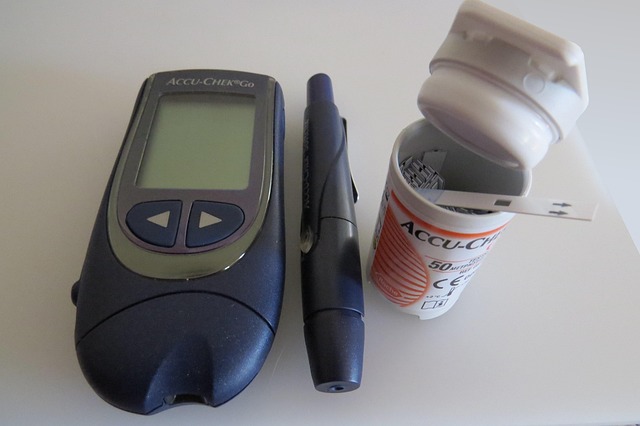

Diagnostic technology has never been more critical to managing personal health, and nowhere is this more evident than in the evolution of blood sugar self-monitoring. For millions living with diabetes, tracking glucose levels isn’t just a routine—it’s a daily lifeline. In recent years, we’ve seen a wave of technological and health innovations that are completely changing the landscape of diabetes care, making it more accessible, painless, and accurate than ever before.
Not too long ago, self-monitoring meant pricking your finger several times a day and recording the numbers manually. It was inconvenient, painful, and prone to human error. Today, thanks to advances in diagnostics, we’re entering an entirely new era. Devices now offer real-time glucose monitoring with the aid of wearable sensors that transmit data directly to smartphones or smartwatches. This seamless connectivity means you’re no longer a passive observer—you’re an active participant in your health journey, equipped with real-time insights that allow for timely decisions about diet, activity, and medication.
Technological innovations such as Continuous Glucose Monitoring (CGM) systems have become game-changers. These discreet patches adhered to the skin can monitor glucose levels 24/7 for up to two weeks at a time. Some systems even alert users and caregivers of high or low readings before they become dangerous. Furthermore, with the integration of AI and machine learning, we’re not just talking about tracking data—we’re interpreting it. Predictive trends are now accessible, offering warnings before an episode happens rather than simply recording it afterward.
Health innovations are also transforming the design and usability of these monitoring tools. Companies are prioritizing user comfort and wearability—miniaturizing sensors, making them waterproof, and integrating them into everyday accessories. Even non-invasive options are being explored through wearable tech that uses optical sensors to analyze blood sugar without any skin penetration, a milestone that seemed like science fiction just a decade ago.
These innovations don’t just improve convenience—they save lives. For children with diabetes, for example, parents can now receive alerts while their kids are at school or asleep. For elderly individuals, self-monitoring systems can provide peace of mind, reducing the dependence on caregivers while maintaining accurate glucose tracking. And in communities with limited access to healthcare, mobile-based monitoring enables remote management and early intervention, democratizing access to quality care.
What’s even more promising is the ongoing integration of these tools into broader health management platforms. By syncing data across nutrition apps, fitness trackers, and medical records, a more holistic view of health is emerging—one that empowers users and healthcare professionals to make personalized decisions in real time. Such cross-collaboration between technology and health isn’t just smart—it’s revolutionary.