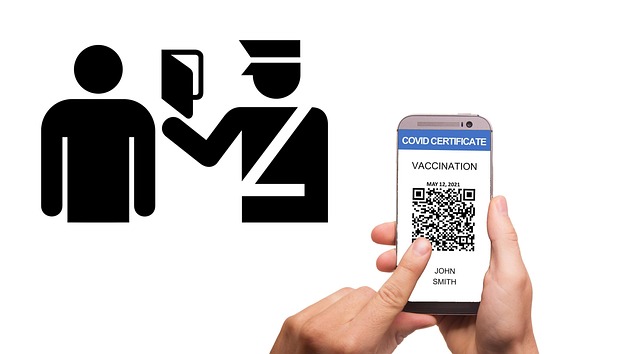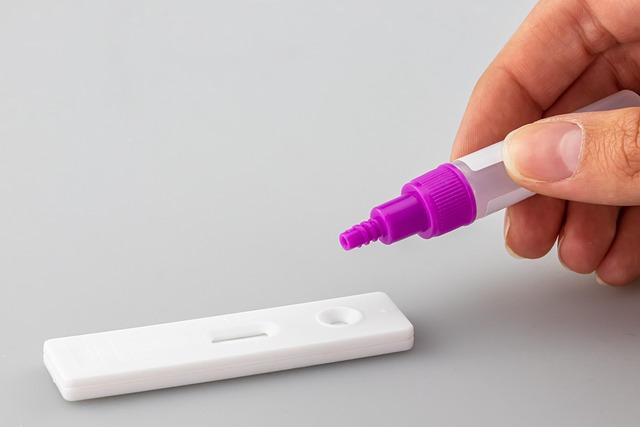


In an era where global health challenges demand quick and accurate responses, the significance of rapid and reliable diagnostics cannot be overstated. At the forefront of this movement is the vaccine efficacy rapid test—a technological game-changer that is reshaping how we assess immune response and vaccine performance.
Technological innovations have ushered in a wave of advanced diagnostic tools that bring lab-level accuracy to point-of-care settings. Gone are the days when determining whether a vaccine was working effectively required complicated, time-consuming laboratory work. With the advent of the vaccine efficacy rapid test, results can be obtained in mere minutes, allowing healthcare professionals to make critical decisions faster than ever before.
These tests are built to detect antibodies or immune markers that the body produces in response to vaccination. By harnessing technologies such as biosensors, microfluidics, and AI-powered data analysis, modern rapid tests enhance both accuracy and efficiency. This not only improves patient care but also contributes crucial data to public health decisions during outbreaks or vaccination drives.
Health innovations in this space are particularly transformative in the context of global pandemics. COVID-19 showed us the value and necessity of fast, dependable information. Vaccine efficacy rapid tests became essential tools in determining the real-world performance of different vaccine formulations. These tests allowed researchers and healthcare workers alike to evaluate booster needs, monitor waning immunity, and guide policies accordingly—with unprecedented speed.
Another profound impact of these innovations is their role in healthcare equity. Traditional vaccine efficacy evaluation required laboratory infrastructure that is absent in many parts of the world. The portability and simplicity of rapid tests enable wide-scale implementation, even in regions with limited resources. This democratization of diagnostics is crucial in ensuring that all populations, regardless of geography, can benefit from vaccine-based protection.
The continuous evolution of rapid test technologies speaks to a broader revolution in health diagnostics. We’re not just talking about simpler processes—this is about intelligent systems that learn and adapt. Machine learning algorithms are increasingly being integrated into diagnostic platforms to interpret results with striking precision. In some cases, smartphone-assisted tools empower users and community health workers to assess vaccine efficacy with nothing more than a connected device and a test kit.
Behind these innovations is a concerted global effort—scientists, engineers, clinicians, and policymakers working together to fine-tune tools that fit into our rapidly changing healthcare landscapes. Each iteration of the vaccine efficacy rapid test brings us closer to a reality where personalized healthcare and real-time diagnostics are not luxuries, but the standard.
As we look to the future, the importance of continuous investment in research and development becomes clear. Whether it’s refining sensitivity levels, integrating with digital platforms, or scaling up production for global distribution, every stride we make in this field bolsters our collective ability to respond, adapt, and thrive in the face of health crises.