
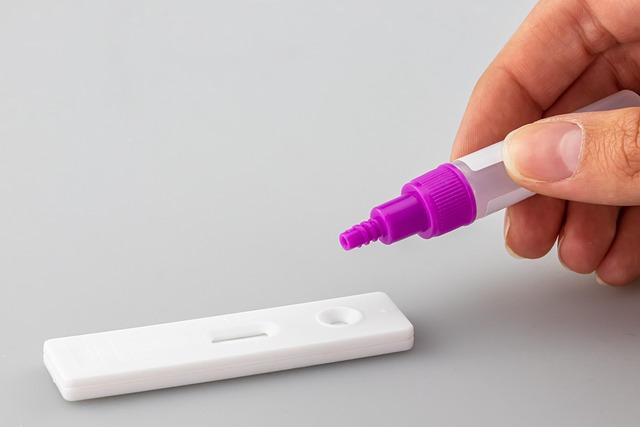

Quantitative Polymerase Chain Reaction, or qPCR, has been a game-changer in the field of diagnostics. It has revolutionized the way we detect and measure DNA and RNA, allowing for precise quantitative analysis that was previously unattainable. As technology continues to advance, the applications of qPCR have expanded, paving the way for new breakthroughs in both healthcare and research.
Technological innovations have played a significant role in enhancing the capabilities of qPCR. From the development of high-throughput systems that can process multiple samples simultaneously to the integration of robotics for process automation, these advancements have drastically improved the efficiency and accuracy of qPCR tests. Additionally, the introduction of digital PCR technology has further refined the quantification process, offering improved sensitivity and precision in detecting target nucleic acids.
On the health front, innovations in qPCR have led to the development of rapid and highly sensitive diagnostic tests for infectious diseases, genetic disorders, and cancer. These tests enable early detection, personalized treatment strategies, and monitoring of disease progression. By accurately quantifying the genetic material of pathogens or tumor cells, healthcare providers can make informed decisions that can have a significant impact on patient outcomes.
Furthermore, the integration of artificial intelligence and machine learning algorithms with qPCR data analysis has opened up new possibilities for predictive diagnostics and personalized medicine. By leveraging big data analytics, researchers and clinicians can identify novel biomarkers, predict treatment responses, and tailor interventions to individual patient profiles with greater precision.
The convergence of technological and health innovations in quantitative PCR has not only transformed the landscape of diagnostics but has also set the stage for a future where precision medicine and targeted therapies are the norm. As we continue to push the boundaries of what is possible with qPCR, the potential for improving patient outcomes and shaping the future of healthcare remains limitless.