
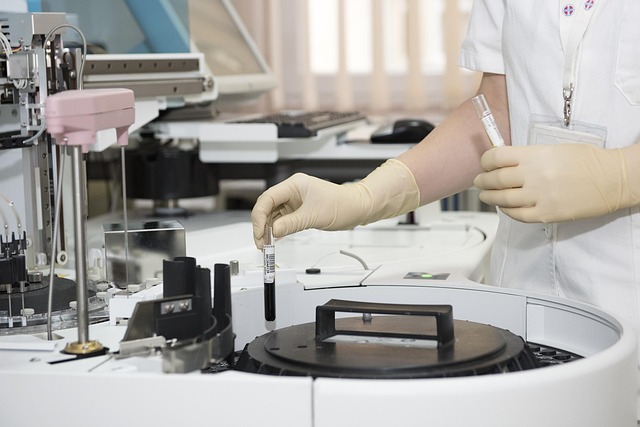

The landscape of laboratory diagnostics is undergoing a seismic shift. Technological innovations are no longer peripheral enhancements; they are central pillars reshaping how clinicians detect, monitor, and treat disease. From microfluidic chips that fit on a fingertip to artificial intelligence systems that sift through genomic data, the modern diagnostic toolbox is expanding at a pace that mirrors the complexity of the diseases it seeks to solve. This article explores the key innovations propelling laboratory diagnostics forward, the impact on patient care, and the challenges that accompany rapid technological change.
Historical Roots and Current Challenges
For centuries, laboratory diagnostics relied on manual microscopy, reagent-based assays, and benchside cultures. These techniques, while foundational, were limited by throughput, reproducibility, and the need for skilled operators. As medical knowledge grew, so did the demand for faster, more accurate, and less invasive tests. Today, laboratory diagnostics face a confluence of challenges: rising costs, increasing data complexity, a global push toward personalized medicine, and the imperative to deliver rapid results in acute care settings.
Emerging Technologies Transforming the Field
Several breakthrough technologies are converging to address these challenges, each bringing a distinct advantage to the diagnostic workflow.
- Point‑of‑Care (POC) Platforms – Portable analyzers enable clinicians to obtain results within minutes, reducing the lag between testing and treatment.
- Artificial Intelligence and Machine Learning – Algorithms interpret complex datasets, from imaging to genomic sequencing, with accuracy that rivals or surpasses human experts.
- Next‑Generation Sequencing (NGS) – High‑throughput DNA and RNA sequencing provides detailed molecular profiles, guiding targeted therapies.
- Microfluidics and Lab‑on‑a‑Chip – Miniaturized devices process small sample volumes, cutting reagent costs and enabling multiplexed assays.
- CRISPR‑Based Diagnostics – Gene‑editing tools like SHERLOCK and DETECTR offer rapid, highly specific pathogen detection without the need for thermal cyclers.
- Digital Pathology and Whole‑Slide Imaging – Scanned histology slides can be analyzed by software, increasing diagnostic throughput in oncology and infectious disease.
- Automation and Robotics – Automated liquid handlers and robotic workstations streamline repetitive tasks, improving consistency and reducing turnaround times.
Point‑of‑Care Technologies in Action
POC devices are changing the paradigm for urgent and remote testing. A simple glucometer, once a staple in diabetes management, now serves as a model for what’s possible in broader laboratory diagnostics. Modern POC analyzers can test for cardiac biomarkers, coagulation parameters, and infectious disease markers on a single platform. This rapid feedback loop enables clinicians to make immediate treatment decisions, often while the patient is still in the emergency department.
“The ability to deliver results at the bedside has been transformative for critical care units, where every minute counts.” – Dr. Elena Morales, Critical Care Specialist
Artificial Intelligence: From Pattern Recognition to Predictive Analytics
Machine learning models excel at identifying subtle patterns that escape human observation. In radiology, AI algorithms analyze chest X‑rays for pneumonia or early lung cancer. In pathology, deep learning models can quantify tumor-infiltrating lymphocytes or detect micro‑calcifications in breast tissue. These tools not only accelerate diagnostic timelines but also support decision‑making by providing a second set of eyes with near‑unbiased interpretation.
Genomics and Precision Medicine
Next‑generation sequencing has democratized access to genomic data. Whole‑exome and whole‑genome sequencing are now routine in oncology centers to uncover actionable mutations. In rare disease clinics, panels targeting thousands of genes can pinpoint causative variants in a single test, drastically reducing the diagnostic odyssey for patients and families.
NGS data, however, generate vast amounts of information. Integrating these datasets into clinical workflows requires robust bioinformatics pipelines and clinical interpretation frameworks. The synergy between sequencing and AI is essential to translate raw data into meaningful clinical insights.
Microfluidics: Small Devices, Big Impact
Microfluidic chips manipulate microscopic fluid volumes, allowing complex assays to be performed in a single disposable cartridge. These systems reduce reagent consumption, shorten assay times, and enable multiplexed detection of proteins, nucleic acids, and metabolites. For instance, a microfluidic immunoassay can simultaneously measure inflammatory markers, metabolic enzymes, and viral antigens, providing a comprehensive picture of a patient’s physiological state.
CRISPR‑Based Diagnostics: Speed Meets Specificity
CRISPR technology, traditionally known for gene editing, has been repurposed for diagnostics. Platforms like SHERLOCK and DETECTR harness CRISPR’s ability to recognize specific nucleic acid sequences, triggering a fluorescence or lateral‑flow readout. These assays can detect viral RNA in under an hour, making them ideal for rapid screening during outbreaks. Importantly, CRISPR diagnostics require minimal equipment, opening doors for deployment in low‑resource settings.
Digital Pathology: Turning Slides into Data
Whole‑slide imaging captures high‑resolution digital representations of histology slides. When paired with image‑analysis software, digital pathology can quantify cellular features, detect rare cell populations, and predict molecular subtypes. This digitization not only enhances diagnostic consistency but also facilitates remote consultation and second opinions, critical for complex cases.
Automation: Consistency at Scale
Laboratory automation ranges from robotic liquid handlers that pipette samples to integrated platforms that perform extraction, amplification, and detection in a closed system. Automation reduces human error, improves reproducibility, and frees skilled personnel to focus on interpretation and patient interaction. In high‑volume settings, such as national reference laboratories, automation can reduce turnaround times from days to hours.
Regulatory and Ethical Considerations
Rapid innovation outpaces existing regulatory frameworks. Each new diagnostic platform must undergo rigorous validation to ensure analytical accuracy, clinical validity, and utility. The integration of AI raises additional questions: how are models trained, updated, and audited? Transparency about algorithmic decision paths is essential for clinician trust and patient safety.
Ethically, the increased granularity of diagnostic data demands robust data governance. Patients must understand how their genetic and molecular information is stored, shared, and protected. Informed consent processes must evolve to encompass the possibilities of incidental findings and secondary insights that modern diagnostics can uncover.
Impact on Patient Care
Technological advancements in laboratory diagnostics have a ripple effect across the health care continuum. Rapid point‑of‑care tests shorten hospital stays, reduce unnecessary antibiotic use, and improve triage accuracy. Personalized genomic profiling tailors therapies to individual molecular signatures, increasing efficacy and reducing adverse events. Automated and AI‑augmented workflows enable laboratories to handle larger volumes without compromising quality, supporting broader population health initiatives.
Moreover, remote diagnostics empower telemedicine by providing clinicians with real‑time laboratory data, bridging gaps in care for rural and underserved communities.
Future Outlook
Looking ahead, laboratory diagnostics will continue to converge with other data streams—wearable sensors, electronic health records, and environmental monitoring—to create holistic health profiles. Integrated diagnostic platforms will offer multi‑omics analyses in a single cartridge, delivering comprehensive insights from blood, saliva, or breath samples.
Quantum sensing, nanotechnology, and synthetic biology hold the promise of even more sensitive detection of low‑abundance biomarkers, potentially enabling preclinical disease identification. As these technologies mature, the laboratory will evolve from a peripheral service to an integral partner in clinical decision‑making, blurring the line between diagnostics and therapeutics.
Conclusion
The trajectory of laboratory diagnostics is marked by a relentless pursuit of speed, precision, and accessibility. From point‑of‑care analyzers that deliver minutes‑long results to AI algorithms that parse complex datasets with remarkable accuracy, the tools available today are reshaping patient outcomes across the globe. While regulatory, ethical, and logistical hurdles remain, the momentum toward an integrated, data‑rich diagnostic ecosystem is undeniable. As we stand on the brink of further breakthroughs, the laboratory will continue to be the beating heart of modern medicine, translating science into actionable clinical insights.